Inheritance Planning and the Chicken Shoot Game Legacy Building in the UK

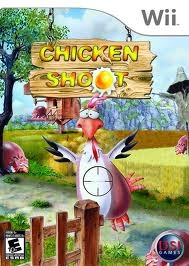
Legacy creation traditionally involved about houses, money, and heirlooms https://chickensshoot.com/. Currently, for a cohort of gamers, it encompasses something else: the digital worlds they’ve built up. Take a game like Chicken Shoot. The achievements unlocked, the unique items bought, the high scores set—they might not be physical, but they matter. They represent hours of skill and memory. This article looks at how UK estate planning is gradually catch up with this idea. We’ll use Chicken Shoot as an case study to talk about how you can guarantee your gaming legacy is dealt with care, making digital assets a tangible part of your final plans.
Understanding Digital Holdings in Video Games
So what counts as a digital asset in a game like Chicken Shoot? That is anything you’ve earned or purchased within the game. The game by itself if you downloaded it, any extra downloadable content (DLC), exclusive characters or gear, your stack of in-game gold, and the hard-won achievement badges. You invest time or money into obtaining these things. They carry value to you. Legally, however, it’s a different story. You do not possess them like a book on a shelf. You authorize them through these long agreements you click ‘confirm’ to without reading. These End User License Agreements (EULAs) hardly ever let you hand over your account to someone else. For executors managing an estate, this is a problem. The standard terms of service can lock them out completely, stranding a gamer’s virtual trophies in limbo.
Platform Rules and User Agreements
You must be realistic, and that involves reviewing the details. Valve’s Steam, Microsoft’s Xbox, and Sony’s PlayStation Network all have those non-transferable clauses in their terms of service. They argue it’s for security and to stop fraud, but the result is the identical: you can’t will your account to your buddy. Some might let a confirmed family member close an account or receive a copy of the data, but that’s it. They will not let anyone else log in and participate. If you’re a Chicken Shoot fan, check the terms for your system. It establishes the boundaries for what’s achievable. Regulatory changes could compel companies to provide better “digital inheritance” options in the future. At present, your approach should concentrate on providing your administrators the information they require to at least close things correctly or request your data.
The Legal Framework for Digital Assets
What is UK law stand on all this? It is playing catch-up. There is no dedicated law as of now for passing on digital game accounts. The Legal Commission of England and Wales has suggested creating a new type of personal property for some digital assets, that would help. For now, what happens to your Chicken Shoot profile depends almost entirely on the terms of the platform it is on. The major firms—Steam, Xbox, PlayStation—usually ban account transfers outright. If they get a death certificate, their typical action is to terminate the account down. Everything inside it is lost. This is the reason you cannot ignore the issue. You require a plan, and you must talk to a legal advisor about your digital life while there is still time.
Beyond Assets: Preserving Memory and History
Occasionally the significance isn’t in a digital asset, but in the tale it conveys. That top score in Chicken Shoot, that seemingly impossible achievement, your unique player profile—they’re parts of your journey. Your estate plan can assist save that narrative. Give directions for your relatives. Request them to store files of your top screenshots, amusing gameplay clips, or your most treasured social media posts about gaming. Some services will memorialise a account. The legal system concerns itself with what can be passed on, but your individual desires can safeguard the emotional side of your pastime. It’s a method to guarantee your whole identity, with your passions, is remembered.
The Role of Legal Representatives and Online Wills
Selecting the right executor is critically important. Choose someone you trust who also grasps the basics of online accounts. This person will fulfill your wishes for your digital assets. A solicitor can aid by adding a “digital will” or a codicil to your main will. This grants your executor the legal authority to deal with your online presence, even if it technically violates a platform’s terms of service. They would be functioning under their legal duty to administer your estate. The document should delineate what they have permission to do: access, archive, or close specific accounts. Putting this framework in place helps stop your accounts from being deleted by a company after a period of inactivity, disappeared without a trace.
Steps to Include Your Gaming Legacy
Kick off by making a list. Jot down every digital gaming asset you have. List your usernames on Steam, PlayStation Network, or Xbox Live. Identify the games that are meaningful to you, like Chicken Shoot. Add the email addresses linked to these accounts. Store this inventory somewhere protected, like with your solicitor, and include it in your will or a separate letter of wishes. You might not be able to pass on the account itself, but you can give clear instructions. Advise your executors if you’d like them to request a memorial, or to retrieve your game data and screenshots. One key warning: never write your passwords in your will. Wills become public record. Employ a secure password manager with a legacy access feature instead, and detail how to reach it in your private instructions.
Future Trends in Digital Inheritance
As our lives move further online, the law has to follow. In the UK, changes are on the horizon that should establish clearer rules for digital property and spell out what rights executors have. We might see formal “digital executor” positions, or mechanisms to appoint a legacy contact. Blockchain technology could even allow for provable ownership and transfer of some digital items. For a game like Chicken Shoot, this could mean your nephew might one day actually receive your rare in-game items. Getting this right will take work from both sides: individuals need to record their preferences today, and lawmakers need to develop systems that treat a digital legacy with the same respect as a box of old photos and letters.
Frequently Asked Questions
Is it legal to bequeath my Chicken Shoot game account to a person in my will?
Probably not. You probably have a license to access the account, not own it. The platform’s Terms of Service almost always ban transfers. Your will may list your account and provide instructions, but the company may still close it when they learn of your death.
What’s the most important step to take for my gaming legacy?
Document everything. Make a safe, up-to-date list of every digital asset: usernames, platforms, and key games. Store this list with your important papers, mention it in your will, and confirm your executor knows it is there and what you want done.
Ought I put my game passwords in my will?
No. Avoid doing this. A will is not private after probate. Employ a trusted password manager with a legacy access feature. Provide the instructions for accessing that manager to your executor confidentially, through your solicitor.
What can an executor practically do with my gaming account?
They can follow your instructions. They may contact the platform to seek account closure or demand a download of your data, like your purchase history or saved files. They could potentially memorialise a linked social profile. What they usually cannot do is permit someone else take over the account and continue playing.
Are virtual assets like in-game purchases regarded as part of my estate’s value?
For inheritance tax, no. Their resale value is generally nil because the licenses are not transferable. But they continue to be part of your digital estate. Your executors should know about them to manage them as you wanted, even if they do not add to the estate’s financial total.
How are UK laws developing regarding digital inheritance?
The Law Commission has put forward making digital assets a new type of property. This would give executors clearer rights to access and administer them. However, this isn’t law yet. Currently, planning hinges on platform rules and your own clear instructions.
What happens if my family lacks technical knowledge?
Choose an executor or helper who understands. In your instructions, simplify the process into easy, clear steps. Explain why certain things, like saving your screenshot collection, are important to you. Your solicitor can also guide them on the legal steps.

As an intellectual property lawyer with additional expertise in property, corporate, and employment law. I have a strong interest in ensuring full legal compliance and am committed to building a career focused on providing legal counsel, guiding corporate secretarial functions, and addressing regulatory issues. My skills extend beyond technical proficiency in drafting and negotiating agreements, reviewing contracts, and managing compliance processes. I also bring a practical understanding of the legal needs of both individuals and businesses. With this blend of technical and strategic insight, I am dedicated to advancing business legal interests and driving positive change within any organization I serve.