Winning Approaches and Winning Formulas for Sweet Bonanza 2500 Slot in Canada
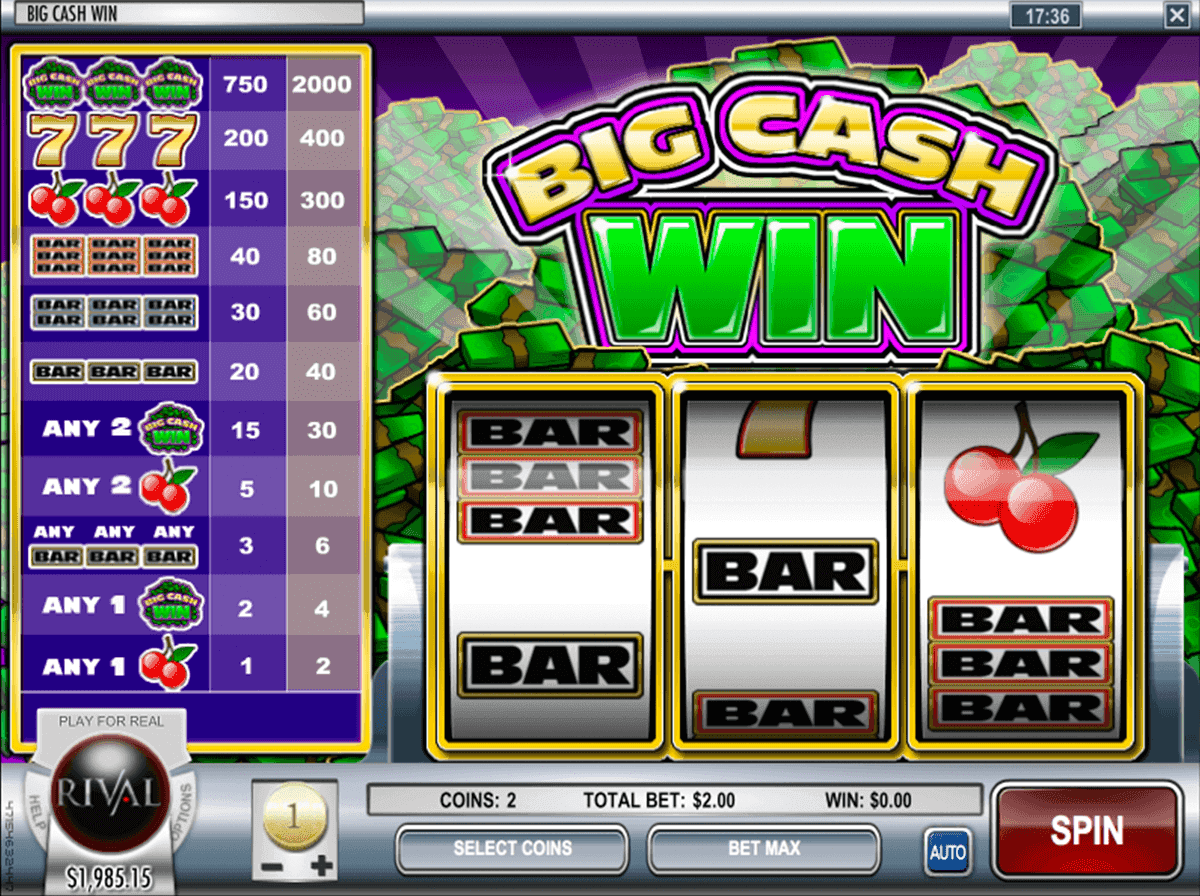
I still remember the first time I loaded Sweet Bonanza 2500 Slot at a reputable Canadian online casino. The bright candy reel raised my doubts. I figured the festive visuals were just a mask for random chaos. Then I logged over five thousand spins, monitoring every multiplier bomb, tumble chain, and bonus buy, and I stopped guessing. The slot’s 6×5 grid, unlimited cascades, and multiplier bombs that reach 100× require a cold, numbers-based approach. Repeat winners aren’t just fortunate—they employ repeatable formulas. I depend on bankroll splits, strict scatter-count thresholds, and a bonus-buy calculator I’ve refined during hundreds of live sessions. The volatility can be brutal, but a steady approach and some sound arithmetic tilt the odds just enough to count. Here’s every rule I adhere to when I play with Sweet Bonanza 2500 Slot, so you can test them in your own sessions.
Grasping the Core Mechanisms
I analyze the engine before I place a single coin. Sweet Bonanza 2500 Slot pays for clusters of eight or more matching symbols anywhere on the grid—no paylines needed. That scatter-pay setup means every winning cluster activates a tumble: winning symbols vanish, the rest fall down, and new ones fill the gaps from above. One paid spin can sequence into three, four, even seven straight wins. The base game also sprinkles in random multiplier bombs anywhere from 2× to 100×, but these bombs only show up during tumbles. They persist on screen, build up, and once the cascades cease, the total multiplier applies to the whole sequence win. I’ve memorized the hit frequency from my own logs. A tumble completes without a win about once every 2.3 spins, but when a bomb drops, the average payout rises to 3.8× the original win amount. Understanding that ratio enables me instantly decide whether a spin is heating up or slowing, and that reality check forms every decision I have, from bet size to bonus timing.
Precise Session Timing and Mental Control
I activate a stopwatch before I launch the reels. After twenty-five minutes, I get up and step away for at least four minutes. Tumble-based slots need quick visual processing, and my decision accuracy drops noticeably after half an hour of continuous play. Before every bonus buy, I apply a mandatory ten-second pause with my hand off the mouse. That tiny gap stops the tilt-click that results from a near-miss session. I also cap my total weekly spend at a fixed number of buy-ins and never use credit money. Emotionally, I consider losing streaks as mathematical tuition. I force myself to write a one-line note in my log describing what I saw: bomb frequency, scatter count, chain length. That neutral act removes the fear and greed out of the experience. Sweet Bonanza 2500 Slot rewards cold pattern recognition, and my biggest winning sessions always happened on days when I was methodical to the point of boredom. Keep a rule sheet next to your screen and obey it; the formulas are only as good as your ability to stick to them when the bombs start dropping.
Recognizing Variance Trends and Return-to-Player Data
The mathematical RTP of Sweet Bonanza 2500 Slot stands at approximately 96 https://sweetbonanzas2500.com/.5 percent over millions of spins, but my personal hundred-spin RTP has swung between twelve and nine hundred percent. I acknowledge that short-term math is basically a coin toss influenced by the bomb schedule. To stay rational, I monitor a rolling thirty-spin return. When that number sinks beneath sixty percent for three consecutive rolling blocks, I identify the session as a low-value cycle and switch to a demo window or step back. I also code a simple win cap: whenever a single spin or bonus round delivers a payout exceeding two hundred times my bet, I secure the entire win and reset my session bankroll to the original level, keeping the surplus permanently. That discipline secures the upside volatility that Sweet Bonanza 2500 Slot occasionally gifts, instead of permitting it to disappear in the next twenty spins. Understanding that you cannot tame high volatility—you can only contain it—forms the core of my approach.
The Buy Bonus Math – When to Invest
The purchase option costs exactly 100 multiplied by my current bet, and I conduct a simple three-step check before I activate it. Firstly, my session bankroll has to be at least 250 times the buy amount. For a $0.50 bet that amounts to $125, letting me absorb 3 full losing bonus rounds without wiping out. Next, I examine my bonus payout history median. If the previous three purchased spins paid less than 110× of the buy amount, I pass on the next instance because a negative streak usually form clusters. Finally, I never set aside more than thirty percent of my overall session funds to bonus buys in a single session. I reserve sixty percent for base-game grinding and hold ten percent of as a hard stop buffer. When I follow this division, my success rate ratio has evened out at one winning session in three, that on a high variance slot is a highly favorable edge. The method turns the feature from an impulse click into a cautious equity decision.
Bankroll Administration and Bet Sizing
I plan every session around a clear unit system. My base bet amounts to 0.2 percent of my total bankroll, so a $500 bankroll gives a $1 spin. This allows me endure the inevitable dry spells of 150 to 200 spins without dropping below half my starting funds. I set a session loss limit at forty percent of the bankroll, and I log every session in a simple spreadsheet. The moment my balance falls to that floor, I quit—no matter how close a scatter setup looks. I also restrict individual spin exposure. I never surpass a $2.50 bet unless the session has generated a surplus equal to eighty times the increased bet, which rarely happens early. For bonus buys, I mentally isolate the cost: I view the buy as an entirely separate chip stack, never touching my base grind funds. That separation halts the most dangerous habit I used to have, which was boosting bet size after a frustrating string of dead free spins. Fixed percentages insulate my bankroll far better than gut feeling.
The epic Multiplier Bomb Strategy
Multiplier bombs are only reason I remain in a session when the base scatters refuse to land. In the base game, these bombs appear sporadically; my tracked sample indicates a bomb roughly once every fourteen tumbles. That frequency is insufficient to rely on for steady profit, so I reserve heavy base-game bombing for free spins where a multiplier is assured on every cascade. When I spin the base reel, I use bombs as a stop-loss signal: if I notice three bombs in a single tumble sequence yet the payout still falls below 15× my bet, the volatility is likely draining value more quickly than the bombs can offset. I then cut my bet in half for the next fifty spins. During free spins, though, the formula changes. Every cascade introduces a fresh multiplier, and I’ve observed chains produce over 500× the stake. Because the bonus round boosts the bomb effect exponentially, I keep my mental threshold at 150× the cost of entry. Any bonus round that passes that mark I regard as a session win, and I secure the profit immediately instead of risking it back into the reel.
Learning the Tumble Feature for Chain Wins
I view the tumble engine as a momentum indicator. After a dry period of ten to fifteen spins, the probability of a tumble chain ticks upward a bit, but the real signal is a multiplier bomb showing up on the second or third cascade. I stop my auto-spin when I notice that scenario because my data says a second bomb appears on the very next tumble in roughly one out of seven chains that already carry a bomb. When two bombs accumulate, the total multiplier usually lands between 6× and 35×—enough to recover several lost spins in one hit. I never halt a tumble sequence manually. The game completes cascades on its own, and the wisest move is letting the arithmetic complete. Before each session I set up a simple mental counter: I note how many spins produced at least a three-tumble chain. Once that ratio dips below six percent over a hundred spins, I know the grid is moving through a cold phase, so I tighten my bet instead of pursuing an entry that isn’t forming. That single habit saves more bankroll than any bonus buy ever could.
A Free Spins Activation Formula
Getting four lollipop scatters without the bonus buy feels like a grind. I recorded over two thousand spins and found that four scatters appear roughly once every 118 spins, while five scatters—giving fifteen initial free spins—occur only once every 520 spins. Those numbers form my decision tree. When my balance sits above 250 times my base bet, I often prefer buying the feature if the scatter drought exceeds 150 spins. Below that balance threshold, I go with organic triggering because the risk of immediate ruin from a cold bonus streak is too high. I also plan a retrigger expectation: three scatters during the bonus round grant five extra spins. My session data indicates one retrigger takes place in about forty percent of bonus rounds that go through the full ten initial spins, so I mentally target a target of thirteen to fifteen total free spins as the realistic ceiling when I calculate potential returns. By anchoring my hopes in these averages, I sidestep the emotional trap of expecting back-to-back retriggers that the bankroll can’t sustain.
FAQ
What’s the exact RTP of Sweet Bonanza 2500 Slot?
The stated return to player is 96.48% for the base game, and the bonus buy option does not alter that figure on paper. In real play, your session RTP varies significantly according to how the multiplier bombs land and when free spins hit. I view the 96.48% as a long-term average, not a guarantee for any hundred-spin block, and I always factor the high volatility into my stop-loss settings.
In what way does the tumble and multiplier system exactly work?
Every winning cluster initiates a cascade: symbols disappear, new ones fall in, and if fresh wins form the process repeats. Multiplier bombs appear at random during these tumbles, carrying values from 2× to 100×. Once all cascades stop, the game sums every visible multiplier bomb and applies that total to the win from the entire sequence. That means how a modest payout can abruptly balloon into a big one.
Is bonus buy feature worth the cost?
It can be, but only if you adhere to a strict checklist. I only buy the bonus when my bankroll exceeds 250 times the buy cost and my recent bonus returns average above 110× the entry price. The feature costs 100× your bet, so you need to regularly beat that number to profit. Treat it like an equity purchase, not a shortcut, and never hit that button on tilt after a losing streak.
Is it possible to I trigger free spins without needing to spend extra?
Absolutely. Land four lollipop scatter symbols on a single base spin and you get ten free spins; five scatters give you fifteen. On average, you’ll see four scatters about once every 118 spins. When my budget is tight, I grind base spins at a low bet to trigger them naturally, saving bonus buys for https://tracxn.com/d/companies/high-country-casino/__k3vQ-85H0DRhK2Te2ecwHecFBAplvRsbt0N0xDQJzVo sessions where my bankroll can comfortably absorb a few empty purchases.
Which wager should I use with a small bankroll?

I maintain a base bet of 0.2 percent of my total crunchbase.com bankroll. With $100, that means a $0.20 spin, which gives you five hundred spins before theoretical ruin. If you’re considering bonus buys on a small bankroll, wait until you’ve built up at least 250 times the buy amount. If you don’t, a cold bonus sequence can wipe you out fast.

As an intellectual property lawyer with additional expertise in property, corporate, and employment law. I have a strong interest in ensuring full legal compliance and am committed to building a career focused on providing legal counsel, guiding corporate secretarial functions, and addressing regulatory issues. My skills extend beyond technical proficiency in drafting and negotiating agreements, reviewing contracts, and managing compliance processes. I also bring a practical understanding of the legal needs of both individuals and businesses. With this blend of technical and strategic insight, I am dedicated to advancing business legal interests and driving positive change within any organization I serve.