Big Bass Crash title Game Architecture Explained for UK Players
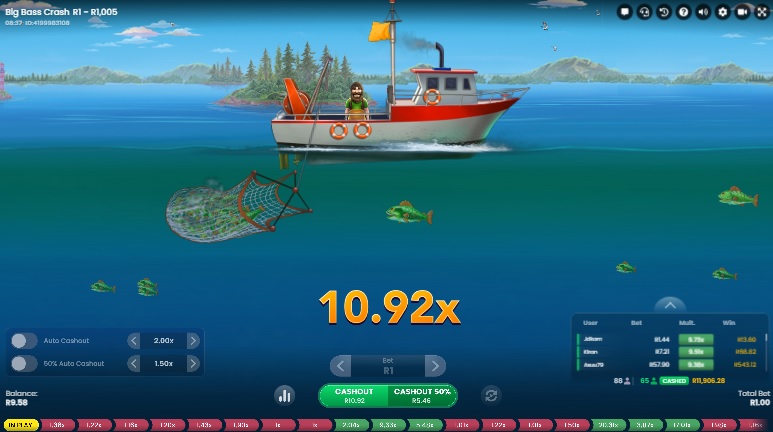
If you happen to be a UK player addicted to the intense thrill of Big Bass Crash, examining the inner workings at how the game is designed can be very enlightening bigbasscrash.uk. There’s more to it than just hitting a button and wishing for luck. The game functions using a smart digital framework that combines random number generation, mathematical models, and live server processing. Understanding this technical side helps you see past the basic gameplay. You begin to grasp the complex engineering that determines the crash point, manages your “cash out”, and aims to keep everything equitable, transparent, and gripping. Let’s break down the main parts, from the vital Random Number Generator to the backstage chat between your device and the game server that makes each round both a thrill and seamless to play.
Deterministic Game Engine and Predetermined Results
The RNG sows the seed of chance, but the game server is the authority that calls the shots. Stored in a secure data centre, this server takes the RNG result and directs the entire round. It issues the signal to start, triggers the climbing multiplier, and finally triggers the crash. This setup is “deterministic”. The https://pitchbook.com/profiles/company/119672-74 crash point is set from the very beginning, but the game reveals it bit by bit to build the tension. The server also performs all the important maths, working out what each player could win based on their stake and when they cash out. Having one central point of control is essential for security. It blocks any tampering from a player’s device and ensures everyone in the same round experiences the same game flow and result. This establishes a unified, trustworthy multiplayer space.
User-Facing Interface: What Players View and Engage With
The front-end is merely the presentation layer, the visual front you see on your screen. Constructed with technologies like HTML5 and WebGL, this client paints the aquatic scene, the climbing multiplier indicator, and the dynamic Big Bass avatar. It gets a live data feed from the game server and turns it into the increasing values and graphics you watch. Its main job is to send your actions—placing a bet, hitting cash out—back to the server for approval. It has zero say in the game’s logic. View it as a very smart display terminal. This split between show and substance means the thrilling graphics and sounds stay perfectly synced with the server’s main timer. You get a smooth, immersive experience that doesn’t compromise on fairness or security.
The Multiplier Graph: Mathematical Structure and Variance
That heart-pounding climb of the multiplier isn’t just a straight line. It follows a specific mathematical model. This model determines the game’s volatility, its risk profile. It decides how often and where the game might crash. A high-volatility model could result in more frequent low multipliers, but with the chance of a rare, sky-high crash. A lower volatility model might dish out more consistent, mid-range multipliers. The exact algorithm controls the curve’s shape and the odds of a crash at any moment. For UK players, the takeaway is this: the model is a fixed, audited piece of the game’s code. It outlines the built-in risk and reward, so players who think strategically can adjust their cash-out timing based on the game’s statistical personality over hundreds of rounds.
Server Framework: Real-Time Data and Server Communication
Instant excitement from Big Bass Crash requires a reliable network to operate. Quick connections, typically using WebSocket protocol, keep a steady two-way link active between your device and the core game server. This enables the multiplier value flow to you immediately and shoots your cash-out command directly back. Your own internet connection is important here. A weak or unstable connection can lead to a lag among what the server has and what you perceive, which might make you miss your cash-out window. The system is built to be resilient, but a solid connection is your best bet. It ensures your actions reach the server and get confirmed without a frustrating delay, keeping the gameplay smooth.
Safety Protocols: Ensuring Fairness and Data Security
Safety isn’t a secondary element; it’s woven into the game’s foundations. In addition to the RNG certification process, the framework utilizes various security layers. All data traveling between you and the server gets encrypted using protocols including TLS, ensuring your personal and financial data safe. The game’s server functions in a restricted environment with tight access controls and systems to spot intruders. Numerous versions also pitchbook.com use a provably fair system. This provides tech-savvy players the means to verify, via cryptographic seeds, that the round’s outcome was generated fairly and never altered. For players in the UK, these systems represent a strong dedication to security. They help this game meet the Data Protection Act and the strict security rules imposed by the UK Gambling Commission.
Audio and Visual Engine: Crafting an Immersive Experience
The immersive, underwater theme of Big Bass Crash originates from a dedicated sound and graphics engine. This component of the machine works with the game server to activate particular visuals and sounds at exactly the right time—the water bubbles, the intense music as the line climbs, the splash and snap of the crash. These audio and visual files are stored and sent smoothly to prevent long loading screens without losing quality. The engine’s job is to weave a sensory experience that pumps up the anticipation. For you, this layer is what converts a maths-based betting game into a proper spectacle. The architecture guarantees this feeling is the consistent whether you’re on a phone, a tablet, or a desktop computer.
Server-side Systems: User Accounts, Wallet, and Transaction Handling
Behind the glitzy game screen, a distinct backend system oversees everything that isn’t pure gameplay. It manages player account details, maintains encrypted wallet balances, and executes your deposits and withdrawals. When you make a bet, this system immediately reserves those funds from your wallet. If you withdraw successfully, it computes your winnings and credits them to your balance, all while maintaining a precise record of every transaction. This system links up with different payment gateways to accommodate popular UK options like debit cards and e-wallets. Its dependability and accuracy are absolutely critical. It handles sensitive money operations and ensures your balance is always correct, creating the trustworthy financial backbone of your entire experience.
Mobile and Desktop: Platform Adjustments for Multiple Systems
The core game—the system and the RNG—doesn’t change in any way whether you play on a mobile, a tablet, or a computer. But how it’s presented to you adjusts. On a phone, the layout is adjusted for touch screens, smaller displays, and occasionally unstable network connections. The visuals might use adaptive streaming to ensure fluidity. The interface is often “responsive”, which means it adjusts the layout and button sizes to match your display. Interaction with the backend is also adjusted to be kinder on cellular data and power. For British players on the go, this implies you get the equally fair, server-based game, just presented for your hardware. The objective is a uniform Big Bass Crash gameplay across all your gadgets, with no reduction in protection or fairness.
The Main System: Random Number Generator (RNG) Unpacked
The Random Number Generator (RNG) is the essential centrepiece of Big Bass Crash. Consider it a certified, digital deck of cards being shuffled forever. This complex algorithm generates results that are completely unpredictable and in no set order. It decides the exact multiplier where the game will crash each round. The moment a round starts, the RNG picks a crash point from a huge range of possibilities and locks it in with cryptographic security. This is the crucial part for UK players: this happens in an instant and can’t be changed. Nothing you do after the round begins can change that pre-set outcome. Independent testing labs check this RNG regularly. Their audits validate its fairness and that it meets UKGC standards, so every player has the same random shot at success on every single climb.

As an intellectual property lawyer with additional expertise in property, corporate, and employment law. I have a strong interest in ensuring full legal compliance and am committed to building a career focused on providing legal counsel, guiding corporate secretarial functions, and addressing regulatory issues. My skills extend beyond technical proficiency in drafting and negotiating agreements, reviewing contracts, and managing compliance processes. I also bring a practical understanding of the legal needs of both individuals and businesses. With this blend of technical and strategic insight, I am dedicated to advancing business legal interests and driving positive change within any organization I serve.