
Why I Trust a Browser Extension Wallet on Solana (But With Cautions)
Okay, so check this out—I’ve been poking around Solana wallets for years. Whoa! The speed is intoxicating. Early on I liked the idea of a lightweight browser extension that just pops up when you need it, because honestly, having to open a separate app felt clunky. My instinct said: this is the future of quick DeFi UX, though actually I wanted to test security in real-world flows, not just read the docs.
First impressions matter. Seriously? They do. Initially I thought any extension that looked slick was fine. Actually, wait—let me rephrase that: a slick UI masks a lot of tradeoffs. On one hand, extensions give instant dApp access and seamless signing. On the other hand, that convenience concentrates risk in one place, and that part bugs me.
Here’s the thing. It feels like installing a tiny bank into your browser, and browsers are messy ecosystems. Hmm… browsers get compromised, users click fast, and phishing is clever. So you want an extension that makes dangerous actions obvious, without yelling at you every two seconds. I’m biased, but I prefer wallets that nudge rather than nag.
In practice I ended up using Phantom-style flows (the pattern many Solana extensions follow) to move small amounts, test NFTs, and approve program interactions. Short tests first. Then scaled up. I learned patterns: how approvals cascade, which dApps request multi-signatures, and when to revoke permissions. There were mistakes—never a single flawless run—so the learning stuck.
What makes a good Solana browser extension wallet
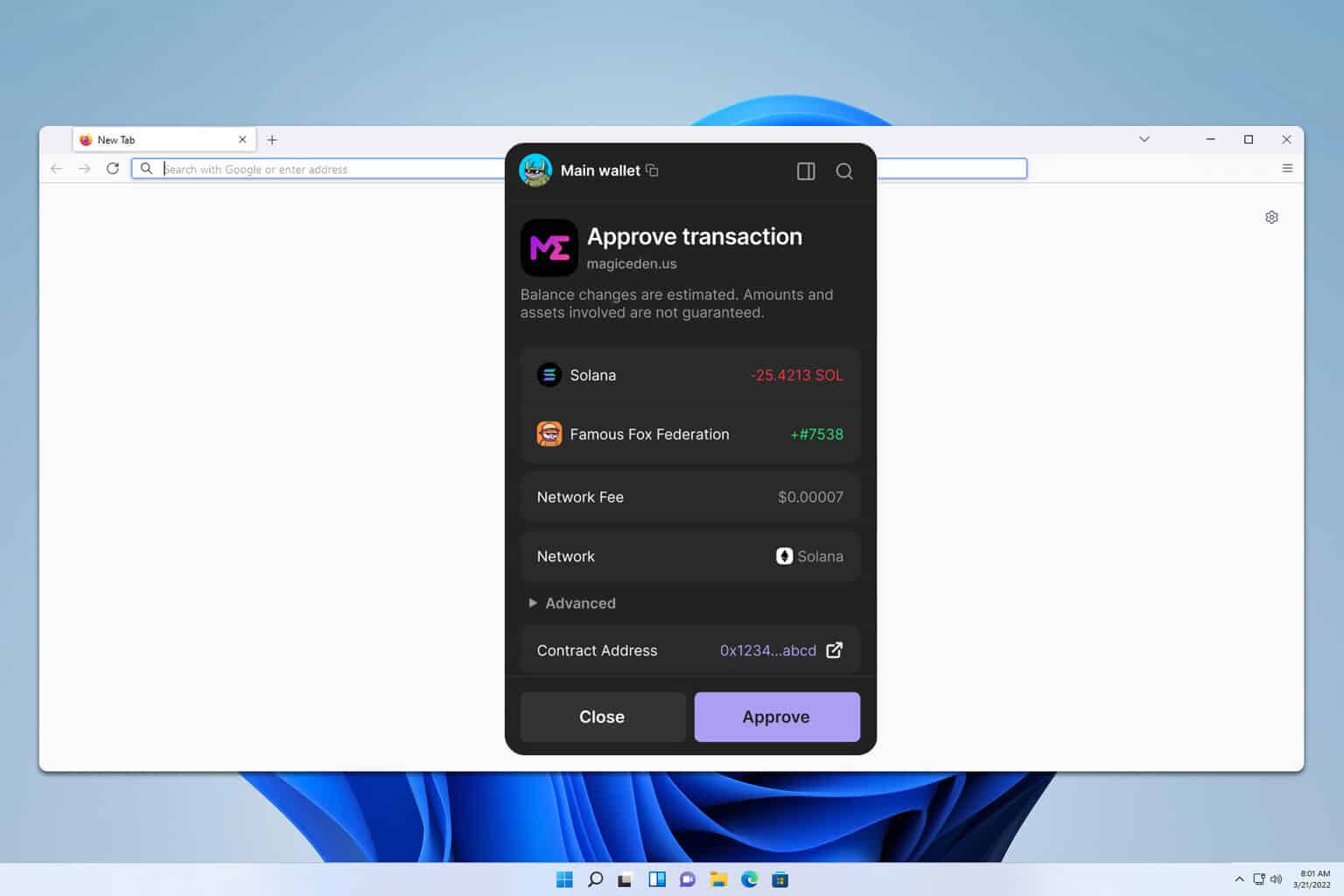
Speed and clarity. That’s non-negotiable. Whoa! You need transaction previews that say exactly what’s being approved. Medium-length confirmation details are helpful, and long-form warnings for interactions that can route tokens through unexpected paths should be accessible via one-click expansion, not buried behind ten screens. User flows must be simple but not dumbed-down; the balance is tricky.
Security practices matter more than cute animations. Seriously? I know a lot of devs get attached to branding. My gut said that deterministic seed handling, secure key storage, and robust permission models were the top three priorities. Initially I thought hardware wallet integration was a checkbox. But actually, integrating a hardware signer well is subtle—UX can ruin security if done poorly.
One practical tip: revoke dApp permissions regularly. Hmm… do it monthly. It’s easy to forget you gave an old game access to move tokens. The extension should surface active allowances and make revocation one click. Also, seed phrase backups are still the last line of defense. Treat them like your main street safe: invisible, but essential.
Okay, so check this out—if you want a simple way to try a polished Solana extension flow, you can find a direct download source here: https://sites.google.com/cryptowalletextensionus.com/phantomwalletdownloadextension/ That link is handy if you’re testing and want the extension kit that follows Phantom-style UX patterns. I’m not forcing anything; just sharing where I started my sandbox testing, because sometimes a guided download path removes friction and gets you to real stress-testing faster.
One nuance that trips people up is permission creep. Whoa! Apps can ask for broad access under a single consent screen. Medium-level education in the wallet UI helps users spot that. Long explanations in tooltips, with examples of attack scenarios, reduce impulse approvals and teach better habits.
There are also performance realities. Browser memory and tab counts affect extension behavior. Seriously? Yep. On my old laptop, heavy sites caused the wallet to lag and re-request approvals. That led to repeated transactions and confusion—very very frustrating. So test the extension on the hardware you actually use.
Design-wise, good extensions separate identity from spending. Hmm… this is under-discussed. You want to be able to present a public address to a dApp without immediately exposing your transaction history or other linked accounts. Some wallets do this by offering multiple accounts or ephemeral accounts for dApp sessions, which I like because it reduces correlation risk.
Let me be honest: I prefer wallets that give clear undo options, even if they can’t literally cancel an on-chain transaction. UI-level rollback like “revoke allowance” or “freeze approvals” can stop damage fast. My instinct said a freeze button should be standard. On balance, extensions are improving, but that feature was missing in early iterations.
FAQ
Is a browser extension wallet safe?
Short answer: cautiously safe for small to medium amounts. Longer answer: safety depends on the wallet’s key storage, permission model, and how you use it (phishing hygiene, hardware backups, and periodic permission revocation). If you keep large holdings, pair the extension with a hardware wallet or cold storage for the bulk and use the extension for day-to-day interactions.
Should I use a mobile app or a browser extension?
Both have pros and cons. Whoa! Mobile apps can integrate deep OS-level protections. Browser extensions are faster for desktop dApp workflows. On one hand, mobile brings convenience and secure enclaves; on the other hand, desktop extensions excel at multi-window workflows and developer tooling. I’m not 100% sure there’s a one-size-fits-all answer—use what fits your habits and threat model.
How do I avoid phishing?
Tip: never paste your seed into unfamiliar pages, verify domain names, and use bookmarks for important dApps. Also, learn to spot UI-level impersonation; some scams mimic wallet popups. If something feels off, pause—really pause—and verify via another device or official channels. Somethin’ like a double-check saved me more than once.

As an intellectual property lawyer with additional expertise in property, corporate, and employment law. I have a strong interest in ensuring full legal compliance and am committed to building a career focused on providing legal counsel, guiding corporate secretarial functions, and addressing regulatory issues. My skills extend beyond technical proficiency in drafting and negotiating agreements, reviewing contracts, and managing compliance processes. I also bring a practical understanding of the legal needs of both individuals and businesses. With this blend of technical and strategic insight, I am dedicated to advancing business legal interests and driving positive change within any organization I serve.